
Profile
Exploring the Wagon Wheel Natural History Association in Coto De Caza
The Wagon Wheel Natural History Association is a unique museum located in Coto De Caza, United States. This engaging institution focuses on the history and ecology of the region, showcasing a variety of educational programs and exhibits. One of the highlights of the museum is The Wagon Wheel Project, which features an in-depth exploration of historical and contemporary topics related to natural resources and their impact on society.
The Wagon Wheel Project
The Wagon Wheel Project serves as a test site that facilitates research and educational activities. It focuses on crucial areas such as the Pinedale Anticline and Jonah Field, which are notable for their rich natural gas deposits. The project also emphasizes the importance of understanding both the ecological and cultural dimensions of these natural resources.
Historical Context of Natural Gas Extraction
An intriguing aspect of the museum’s offerings includes topics related to natural gas extraction in Wyoming. For example, a late-1960s proposal by the Atomic Energy Commission aimed to use underground nuclear explosions to extract natural gas. This proposal initially garnered strong support from both the oil and gas industry and the federal government. However, local opposition ultimately led to the idea being shelved.
The history of drilling in the Pinedale Anticline is equally fascinating. The California Oil Company, later known as Chevron, first ventured into drilling in the area back in 1939. Despite drilling 10,000 feet in search of oil, they discovered an abundance of natural gas instead. Unfortunately, at that time, there was no market for natural gas, leading them to abandon the site.
Continued Research and Technological Challenges
El Paso Gas Company took over the site, hoping to harness the natural gas. Throughout the late 1940s and early 1950s, El Paso drilled several wells that produced minimal results. At this time, technology was not advanced enough to extract gas from the tight sandstone layers located over 7,500 feet below ground.
Despite the challenges, El Paso continued its research in the region. They attempted various methods to improve extraction, including pumping fresh water into the wells. Unfortunately, this technique further complicated the gas retrieval process. In 1958, they proposed using nuclear devices to facilitate natural gas extraction, showcasing the lengths to which companies were willing to go to access these resources.
Featured Topics and Community Engagement
The Wagon Wheel Natural History Association also highlights other significant themes, such as Indigenous people in Wyoming and the West, as well as women’s suffrage and rights. These topics are vital for contextualizing the region’s history and fostering a sense of community involvement.
In conclusion, the Wagon Wheel Natural History Association creates an educational space that invites visitors to engage with the dynamic interplay between natural resources and community. A visit to this museum offers valuable insights into both historical and contemporary issues facing the Coto De Caza region and beyond.
Photos
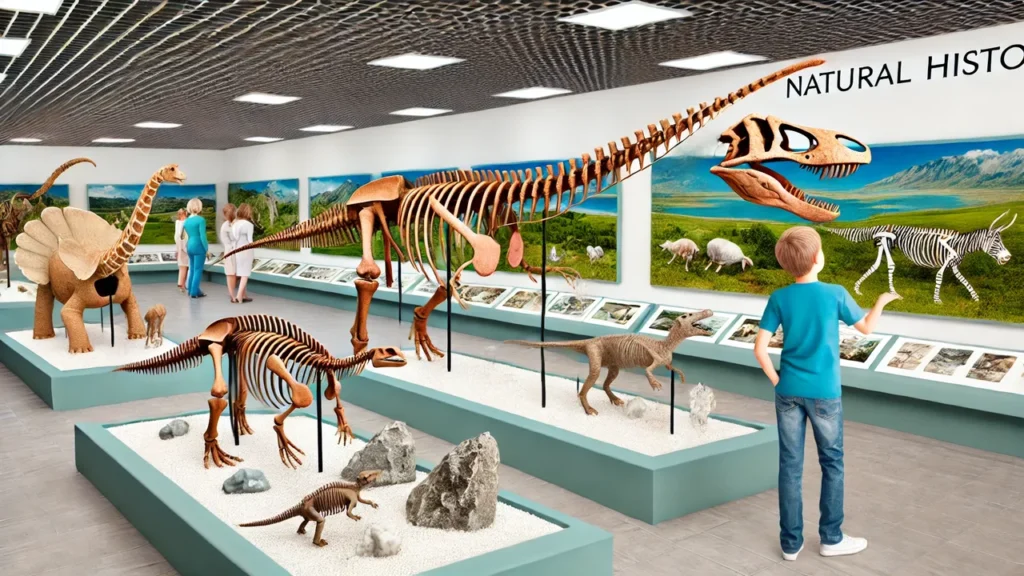
Natural_History_Optimized
Map
Sorry, no records were found. Please adjust your search criteria and try again.
Sorry, unable to load the Maps API.