
Profile
Musée de la Porte du Non-Retour: A Reflection on History and Heritage
Located in Djondji, Benin, the Musée de la Porte du Non-Retour serves as a poignant reminder of the historical realities of the Atlantic slave trade. Established to honor the memory of countless individuals who were forcibly taken from their homeland, this museum is a crucial site for anthropology enthusiasts and history buffs alike.
Understanding the Significance
The term “Porte du Non-Retour,” which translates to “Gate of No Return,” refers to the symbolic gateway through which enslaved individuals were taken from Africa to the Americas. The museum is strategically situated near the coastline, highlighting its significance in the transatlantic slave trade. Visitors can witness firsthand the harrowing history that this gateway represents, making it a profound educational experience.
Exhibitions and Collections
The museum features a range of exhibitions and artifacts that reflect the impact of the slave trade on Africa and its diaspora. These exhibitions are not only informative but also emotionally impactful, encouraging visitors to engage with the narratives of those lost to history. Important collections include photographs, historical documents, and traditional artifacts that showcase the rich cultural heritage of the region before colonial disruption.
Visiting the Museum
A trip to the Musée de la Porte du Non-Retour is not just about witnessing history; it is about understanding the journey of resilience and the ongoing quest for justice and recognition. The museum is open to visitors year-round, and guided tours are offered to enhance the learning experience. These tours provide insights that may not be easily understood through self-guided exploration, ensuring a deeper understanding of the historical context.
Educational Importance
For students and researchers, the museum serves as a vital resource. Its focus on anthropology allows for a comprehensive study of the cultural impacts of the slave trade. Workshops and seminars are often held at the museum, encouraging collaborative learning and discussion among visitors. The experience encourages reflection on the broader implications of history and its relevance today.
Conclusion
Whether you are a researcher, a student, or simply an interested traveler, the Musée de la Porte du Non-Retour is a must-visit destination. It invites everyone to connect with the past and recognize the shared humanity in all our stories. Don’t miss the opportunity to delve into the rich tapestry of history that this museum offers. Plan your visit today and become part of the conversation about heritage, resilience, and remembrance.
Photos
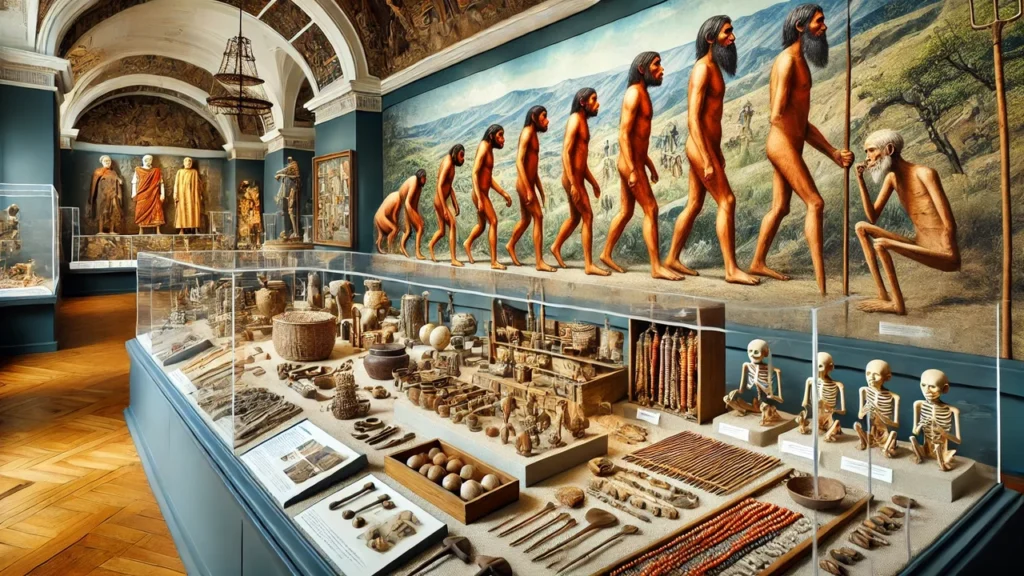
Anthropology_Optimized
Map
Sorry, no records were found. Please adjust your search criteria and try again.
Sorry, unable to load the Maps API.