
Profile
Exploring the Musée Albert Schweitzer in Lambaréné, Gabon
The Musée Albert Schweitzer is a unique institution dedicated to the medical history and humanitarian efforts of Dr. Albert Schweitzer. Located in Lambaréné, Gabon, this museum offers visitors invaluable insights into the life and work of one of the world’s most prominent physicians and theologians. The museum stands as a testament to Schweitzer’s contributions to medicine, particularly in Africa, making it a vital destination for those interested in medical history.
Historical Background
Albert Schweitzer was a German-French physician, theologian, and philosopher known for his immense humanitarian work. He founded a hospital in Lambaréné in 1913, where he dedicated his life to treating patients suffering from tropical diseases. The museum, established to honor his legacy, houses an array of artifacts, photographs, and documents that chronicle his life’s work. It highlights his pioneering efforts in medicine during a time when resources were scarce and challenges abundant.
Exhibits and Collections
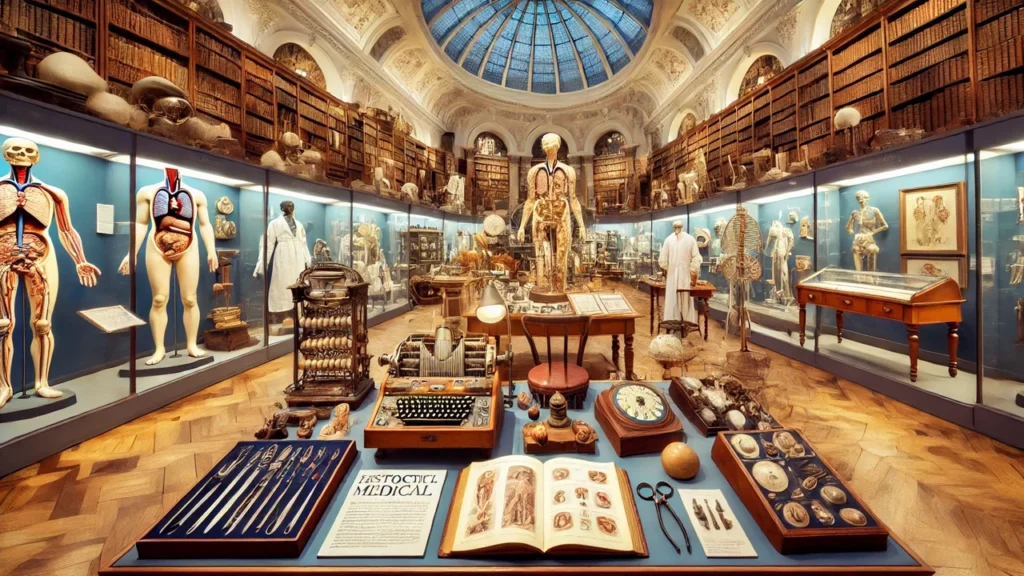
The Musée Albert Schweitzer features a variety of exhibits that reflect both Schweitzer’s medical practices and his philosophical outlook on life. Visitors can explore detailed displays that illustrate his surgical techniques and the innovative methods he employed to treat diseases. Additionally, the museum showcases personal items, letters, and photographs that shed light on Schweitzer’s thoughts and experiences while working in Gabon.
Importance in Medical History
This museum serves as a crucial educational resource. It not only honors Schweitzer’s legacy but also informs visitors about the evolution of medical practices in Africa. The exhibits emphasize the importance of ethical medicine and humanitarian service. Furthermore, they encourage discussions about the challenges faced in medical missions and the significance of cultural sensitivity in healthcare.
Visiting the Museum
For those traveling to Gabon, the Musée Albert Schweitzer is a compelling destination. The museum is open to the public, and guided tours are available to provide deeper insights into the exhibits. Visitors are encouraged to engage with the museum’s resources and enjoy the serene environment of Lambaréné, where Schweitzer spent much of his life.
Conclusion
If you are interested in medical history and the humanitarian efforts of pioneers like Albert Schweitzer, a visit to the Musée Albert Schweitzer is essential. Explore the legacy of a man whose compassion and dedication changed countless lives. Plan your trip today and immerse yourself in the intriguing history of medicine in Africa.
Photos
Medical_History_Optimized
Map
Sorry, no records were found. Please adjust your search criteria and try again.
Sorry, unable to load the Maps API.