
Profile
Exploring the Gestapo Keller Museum in Osnabrück, Germany
The Gestapo Keller Museum, located in Osnabrück, Germany, offers a profound insight into the political history of the Nazi regime. This museum is situated in the former Gestapo headquarters, which served as a detention center during World War II. Today, it stands as a powerful reminder of the past, highlighting the impact of oppression and totalitarianism. Visitors to this museum can engage with a narrative that pays homage to the victims of the Gestapo’s brutal tactics.
Historical Context
The Gestapo, or Geheime Staatspolizei, was the official secret police of Nazi Germany. Their primary role was to suppress opposition and control dissent. The Osnabrück headquarters was notorious for its harsh interrogation methods and forced confessions. This historical significance makes the Gestapo Keller Museum an essential site for those interested in political history. It preserves the memory of a dark chapter in human history while educating future generations about the dangers of unchecked power.
Museum Exhibits
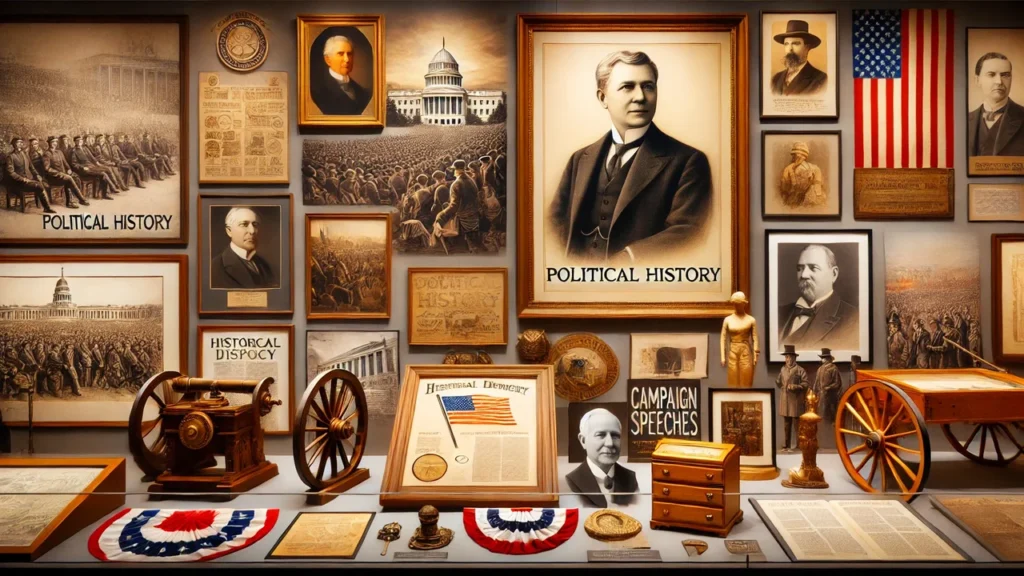
Inside the Gestapo Keller Museum, visitors will find an array of exhibits that detail the workings of the Gestapo and the many individuals affected by their practices. Artifacts include documents, photographs, and personal stories from survivors. These exhibits aim to create a more profound understanding of the environment in which the Gestapo operated. The displays are thoughtfully arranged to guide visitors through the timeline of events leading to the rise and fall of this oppressive regime.
Visitor Experience
Visiting the Gestapo Keller Museum is a moving experience, marked by a palpable sense of history. Educational programs and guided tours are available, enhancing the visitor’s comprehension of the material. Furthermore, the museum emphasizes the importance of remembrance and reflection. It encourages discussions on human rights and the significance of safeguarding democratic values.
Conclusion
The Gestapo Keller Museum in Osnabrück is more than just a historical site; it is a call to action against the recurrence of such tyranny. By learning from past atrocities, we can contribute to a future built on democracy and respect for individual rights. Thus, it is crucial for visitors to engage deeply with the exhibits and share their insights with others. Consider planning a visit to this impactful museum. Witnessing its exhibits is essential for understanding the lessons of history and ensuring that they are never forgotten.
Photos
Political_History_Optimized
Map
Sorry, no records were found. Please adjust your search criteria and try again.
Sorry, unable to load the Maps API.