
Profile
Apalachicola National Estuarine Research Reserve: A Gateway to Coastal Conservation
The Apalachicola National Estuarine Research Reserve, located in East Point, Florida, serves as a vital resource for education and conservation of coastal ecosystems. This unique reserve is part of the National Estuarine Research Reserve System and plays a crucial role in protecting the biodiversity of the region. It offers visitors a chance to explore, learn, and appreciate the rich natural resources of Florida’s Gulf Coast.
Significance of the Reserve
The reserve spans over 246,000 acres and encompasses a variety of habitats, including estuaries, tidal marshes, and marine environments. Its significance lies not only in its size but also in its vital role as a research hub. Scientists and researchers study the complex interactions between land, water, and living organisms. This research contributes to our understanding of coastal ecosystems and informs management practices.
Location and Accessibility
Located in East Point, the Apalachicola National Estuarine Research Reserve is easily accessible for both locals and tourists. It is situated just a short drive from Apalachicola, a charming historic town known for its rich fishing heritage. Visitors can explore the reserve through various means, including walking trails and educational programs offered by the staff.
Attractions and Collections
The reserve features the Edward Ball Life Science Museum, which serves as a focal point for visitors. This museum presents interactive exhibits that highlight the diverse ecosystems of the area. It offers educational programs and workshops aimed at both adults and children, making it an ideal destination for families.
In addition to the museum, the reserve offers outdoor activities such as kayaking, bird watching, and hiking. These activities allow visitors to immerse themselves in the natural beauty of the region. With its pristine waters and lush vegetation, the reserve is a paradise for nature lovers and outdoor enthusiasts.
Conclusion
In conclusion, the Apalachicola National Estuarine Research Reserve is more than just a museum; it is a beacon of coastal conservation and education. Its commitment to research and public outreach ensures that future generations will appreciate and protect the unique ecosystems of the Gulf Coast. Whether you are a resident or a visitor, a trip to the reserve promises to be both enlightening and enjoyable.
Photos
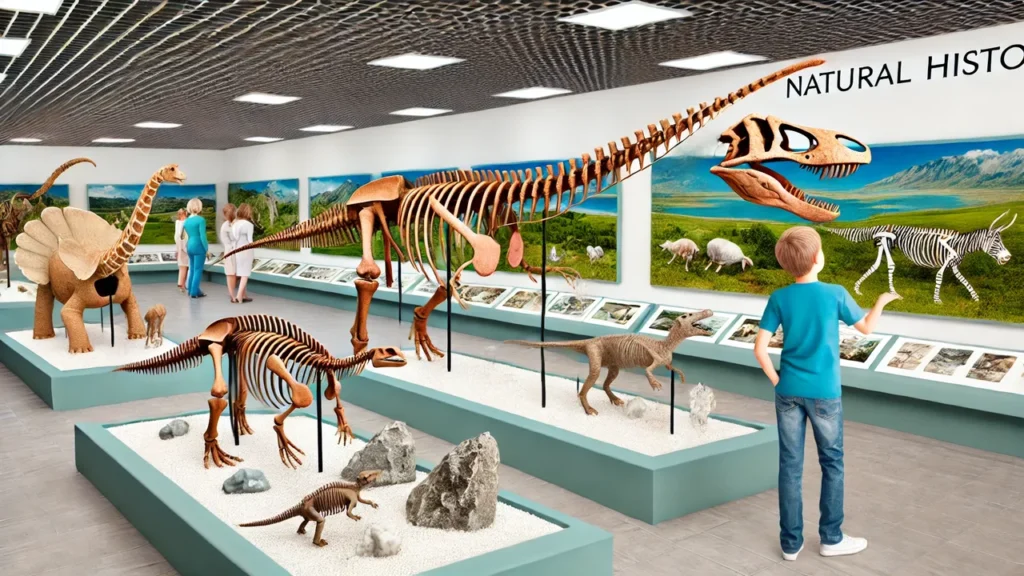
Natural_History_Optimized
Map
Sorry, no records were found. Please adjust your search criteria and try again.
Sorry, unable to load the Maps API.