
Profile
Explore the Grand Bay National Estuarine Research Reserve
The Grand Bay National Estuarine Research Reserve, located in Moss Point, United States, is a significant site for research and education focused on coastal ecosystems. As part of the National Estuarine Research Reserve System, it plays a crucial role in the conservation of estuarine environments. This reserve is dedicated to studying and preserving the unique coastal habitats found in the Gulf of Mexico region.
Location and Importance
Situated along the banks of the Grand Bay, the reserve encompasses over 18,000 acres of pristine wetlands, marshes, and estuarine waters. This strategic location provides vital support for local wildlife, making it an essential area for both ecological research and conservation efforts. The Grand Bay National Estuarine Research Reserve is not only significant for its biodiversity, but it also serves as an outdoor laboratory for scientists and students alike.
Attractions and Experiences
Visitors to the Grand Bay National Estuarine Research Reserve can expect a blend of education and natural beauty. The reserve offers various programs aimed at enhancing public understanding of environmental issues. Guided tours through the wetlands present opportunities to see diverse plant and animal life, including migratory birds, fish, and unique aquatic vegetation. These tours create an immersive experience in one of the most vital ecosystems in the United States.
Educational Programs
The reserve hosts numerous educational initiatives, including workshops, summer camps, and field trips for schools. These programs are designed to foster a deep connection to the environment and inspire future generations to engage in conservation efforts. Participants learn about the critical role estuaries play in maintaining environmental health and stability.
Research and Conservation Efforts
As a leading institution for estuarine research, the Grand Bay National Estuarine Research Reserve provides valuable insights into climate change, habitat loss, and pollution impacts on coastal areas. This research is essential for developing effective conservation strategies. Collaborations with universities and government agencies further enhance the reserve’s capability to address pressing ecological challenges.
Conclusion
The Grand Bay National Estuarine Research Reserve is more than just a museum; it is a vital hub for education, conservation, and research. With its breathtaking landscapes and diverse ecosystems, it invites visitors to explore and appreciate the beauty of nature. This reserve stands as a testament to the importance of preserving our coastal environments for future generations.
Photos
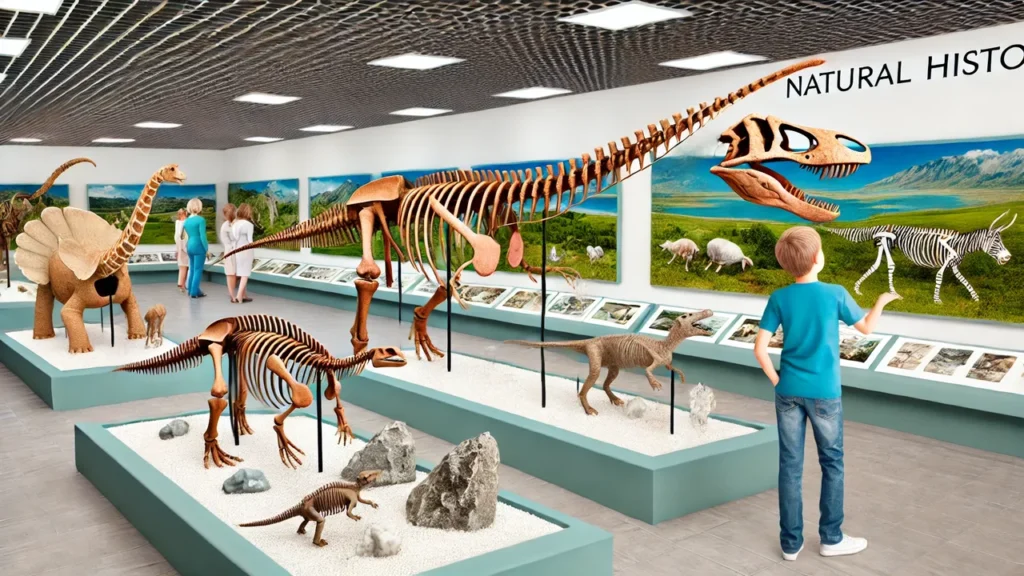
Natural_History_Optimized
Map
Sorry, no records were found. Please adjust your search criteria and try again.
Sorry, unable to load the Maps API.